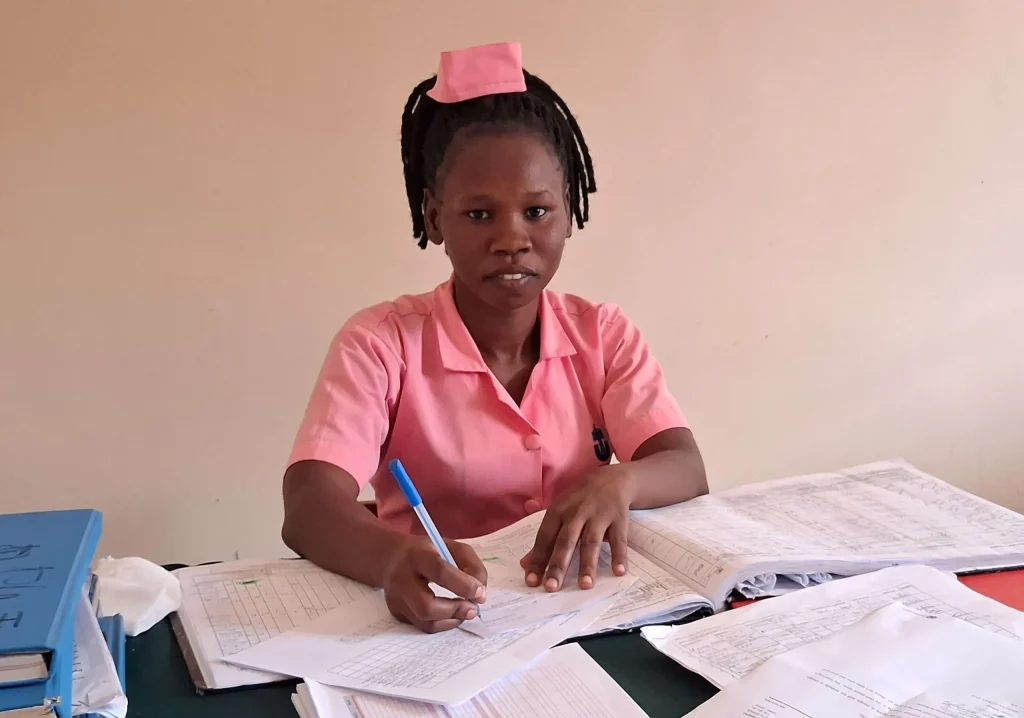
In this blog, Akello Phina shares her hands-on midwifery placement experience at St. John XXIII Hospital Aber, reflecting on her learning journey, supportive mentorship, and service to the rural community.
My name is Akello Phina, a midwifery trainee, and my placement journey at St. John XXIII Hospital Aber from 20th October 2025 to 20th January 2026 has been one of the most meaningful and transformative experiences of my life. I joined the hospital through Teboke Mission Centre III to gain practical experience, and what I encountered exceeded my expectations in every way.
This period marked one of the most significant stages in my professional and personal development. From the onset, St. John XXIII Hospital Aber provided an environment that fostered learning, professionalism, and compassionate service.
First Impressions and Orientation
From my first day, I felt welcomed. The hospital’s structured orientation helped me understand not only my roles and responsibilities but also the values that guide care at St. John XXIII Hospital Aber, respect for human life, professionalism, teamwork, and service with compassion. The staff were approachable, supportive, and willing to guide trainees, which immediately put me at ease.
A Supportive Learning and Working Environment
The learning and working environment at St. John XXIII Hospital Aber is exceptional. The hospital offers quality healthcare services, supported by dedicated administrators, midwives, nurses, doctors, and other staff. Everyone I interacted with was welcoming and willing to guide me. This positive atmosphere made learning easier and encouraged me to always give my best.
Senior staff played a big role in my development. They mentored me closely, guided me through procedures, and corrected me whenever necessary. I learned practical skills such as suturing episiotomies and tears, and many other procedures, under supervision, an experience that greatly strengthened my confidence.
Clinical Exposure and Departmental Rotations
During my placement, I rotated through key departments that shaped my training:
- Antenatal Department: Here, I learned how to assess and manage high-risk mothers, improving my skills in maternal evaluation and decision-making.
- Maternity Department: In maternity, I gained hands-on experience in managing high-risk mothers in labor, conducting deliveries, documentation, and teamwork during emergencies.
- Neonatal Department: This rotation exposed me to newborn care and neonatal resuscitation, which was a critical learning milestone in my midwifery training.
Through these rotations, I gained skills in newborn resuscitation, elimination of mother-to-child transmission (EMTCT), proper documentation in clinical registers, and overall maternal and newborn care.
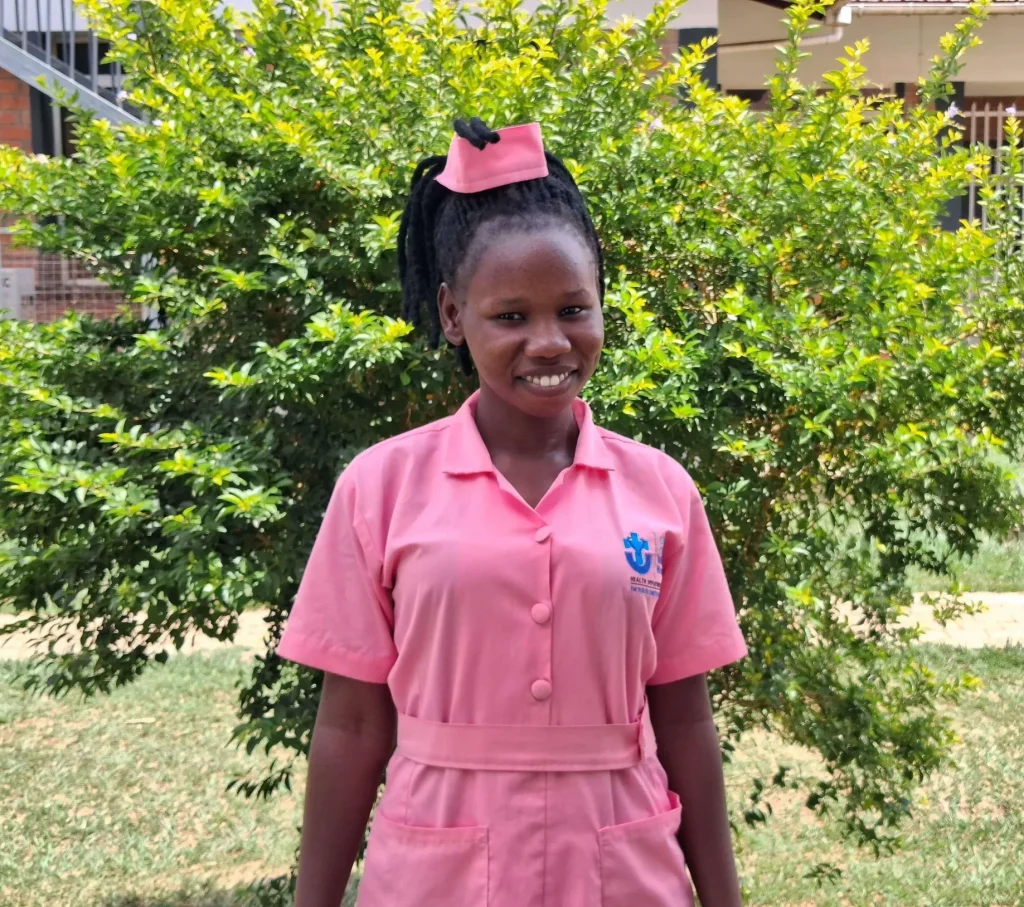
Each delivery I witnessed, each mother I cared for, and each newborn I helped resuscitate turned my fear into confidence and my training into purpose.
A Memorable and Challenging Experience
One of the most challenging yet educational experiences during my placement was managing an obstetrical emergency, postpartum hemorrhage (PPH). This situation taught me that such emergencies cannot be managed alone. I learned the importance of teamwork, quick action, constant monitoring, and timely communication with doctors and senior midwives to save lives. This experience deeply shaped my understanding of emergency obstetric care.
Mentorship, CMEs, and Professional Growth
Mentorship, CMEs, ward rounds, and case discussions contributed greatly to my professional development. Through CMEs, I learned concepts such as Group Antenatal Care (Group ANC), and case discussions helped me identify gaps in practice and avoid repeating mistakes. These learning platforms strengthened both my clinical knowledge and critical thinking skills.
I also grew professionally by strengthening key values such as:
- Teamwork, especially in obstetrical emergencies
- Ethics, including patient confidentiality and respect for patients’ rights
- Compassion and responsibility in the care of mothers and newborns
Serving the Community and Rural Health Experience
Working in a rural and community-based hospital changed my perspective on healthcare. I realized how important it is to bring quality healthcare closer to people in rural areas. Serving patients from surrounding communities meant helping them access lifesaving services without traveling long distances. Personally, this gave my work a deeper sense of purpose and fulfillment.
Reflections: Rewards, Challenges and Lessons Learned
The most rewarding part of my placement was the supportive environment, the dedicated staff who were always ready to mentor, and the administrators who guided me and supported my stay at Aber Hospital.
The most challenging aspects were:
- Managing critical cases, which taught me the importance of close monitoring, frequent vital signs, and timely escalation for support.
- High patient load, which trained me to be fast, cautious, compassionate, and ensure no patient is left unattended.
Looking Ahead
This placement has given me valuable skills, confidence, and real-world experience, and it has encouraged me to pursue my career further in midwifery. I feel better prepared for the next stage of my professional journey because of the training I received at St. John XXIII Hospital Aber.
Final Thoughts
My placement at St. John XXIII Hospital Aber was the best moment ever for me. I gained immense knowledge, practical skills, and experience that will stay with me throughout my career. I would highly recommend Aber Hospital to future trainees because it is one of the best learning environments, supported by well-trained doctors, nurses, midwives, and a committed healthcare team.