
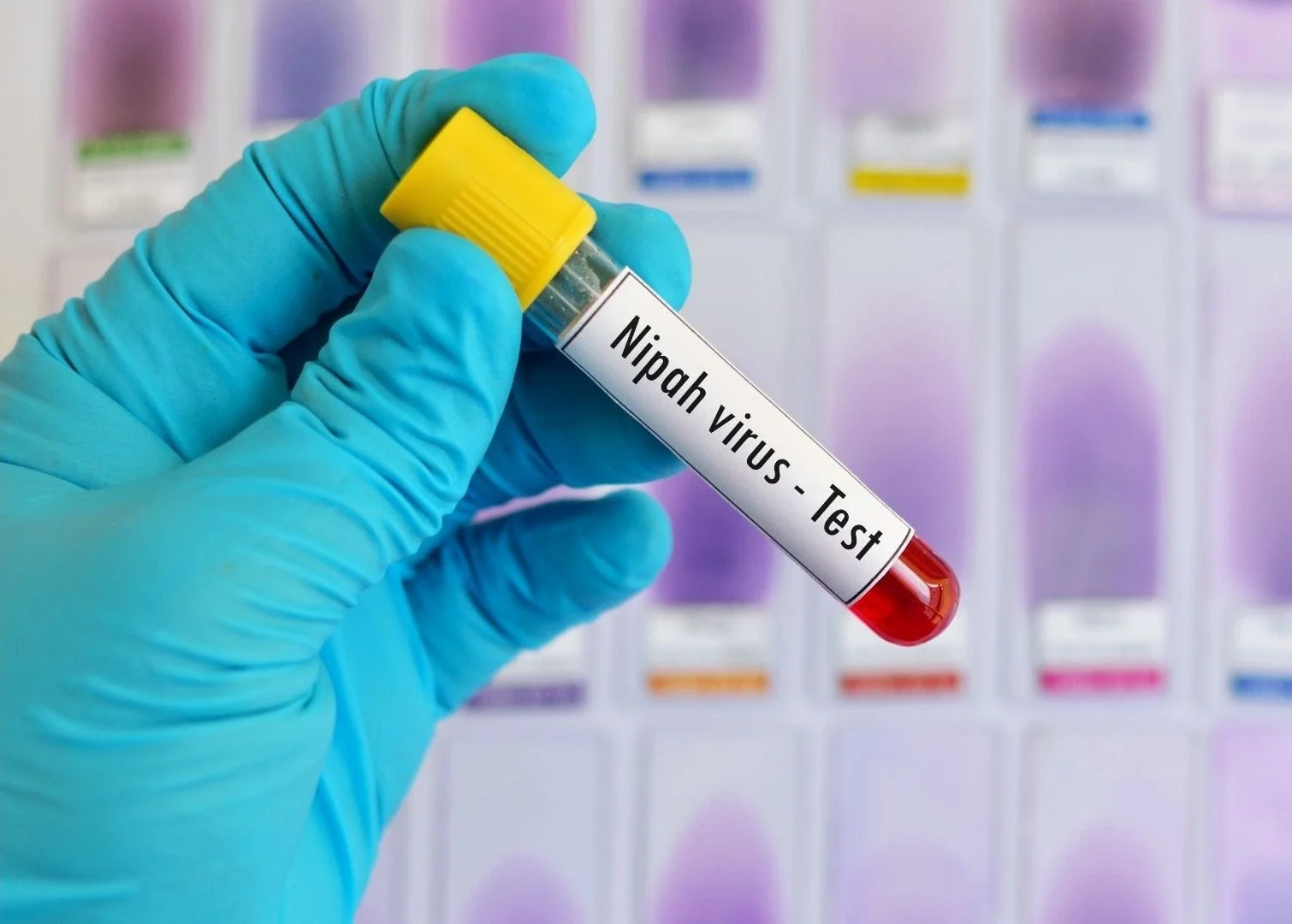
Nipah Virus Explained
As global health authorities respond to a renewed Nipah virus outbreak, raising awareness at the community level is critical. Nipah virus is a serious and often fatal zoonotic disease that can spread from animals to humans and, in some cases, from person to person.
At St. John XXIII Hospital Aber, we are committed to protecting our community through accurate information, early detection, and compassionate care. Understanding Nipah virus, how it spreads, its symptoms, and how to prevent infection, can save lives.
This article is based on the WHO Nipah Virus Fact Sheet (updated 29 January 2026).
What Is Nipah Virus?
Nipah virus is a viral infection that mainly affects the brain and respiratory system. It can cause mild illness in some people but often leads to severe disease and death, especially when diagnosis and care are delayed.
Since it was first identified in 1998, Nipah virus outbreaks have occurred in Bangladesh, India, Malaysia, Singapore, and the Philippines, with a reported fatality rate of 40% to 75%.
Currently, there is no approved vaccine or specific treatment, making prevention and early supportive medical care extremely important.
Where Does Nipah Virus Come From?
The natural hosts of Nipah virus are fruit bats (family Pteropodidae). These bats do not show symptoms but can carry and spread the virus.
Humans can become infected through:
- Direct contact with infected bats or animals such as pigs or horses
- Consumption of fruits or fruit products contaminated by bats, including raw date palm juice
- Close physical contact with an infected person, especially during caregiving or in health-care settings
How Nipah Virus Spreads
1. Animal-to-Human Transmission
- Handling or caring for sick animals
- Slaughtering infected livestock
- Eating fruits contaminated by bat saliva or urine
2. Human-to-Human Transmission
- Close contact with an infected person
- Exposure to respiratory droplets
- Caring for patients without protective measures
3. Health-Care–Associated Transmission
- Overcrowded or poorly ventilated facilities
- Inadequate infection prevention and control practices
- Lack of proper personal protective equipment (PPE)
Signs and Symptoms of Nipah Virus
Symptoms usually appear 3 to 14 days after infection, though in rare cases they may take longer.
Common Symptoms
- Fever
- Headache
- Confusion or altered consciousness
- Difficulty breathing or cough
- Extreme fatigue and dizziness
- Vomiting or diarrhoea
Severe Symptoms
- Brain swelling (encephalitis)
- Seizures
- Coma
- Death
Although many survivors recover fully, about 20% may experience long-term neurological complications.
Diagnosis of Nipah Virus
Nipah virus cannot be confirmed based on symptoms alone. Laboratory testing is required, including:
- RT-PCR testing of blood, respiratory samples, or spinal fluid
- Antibody testing (ELISA)
Because the virus is highly infectious, samples must be handled by trained personnel in properly equipped laboratories.
Treatment and Medical Care
There is currently no specific antiviral treatment for Nipah virus. However, early diagnosis and intensive supportive care can significantly improve survival.
Supportive care includes:
- Oxygen therapy
- Management of brain swelling and pneumonia
- Organ support such as ventilation or dialysis
- Adequate hydration and nutrition with close monitoring
The World Health Organization (WHO) has identified Nipah virus as a priority disease, and research into vaccines and treatments is ongoing.
How to Prevent Nipah Virus Infection
Prevent Bat-to-Human Transmission
- Avoid drinking raw date palm juice
- Wash and peel fruits thoroughly
- Discard fruits with signs of bat bites
- Protect food collection areas from bats
Prevent Animal-to-Human Transmission
- Wear gloves and protective clothing when handling sick animals
- Avoid contact with animals showing signs of illness
- Protect animal shelters and feed from bats
Prevent Human-to-Human Transmission
- Avoid close contact with sick individuals
- Wash hands regularly with soap and water
- Seek medical care early if symptoms develop
In Health-Care Settings
- Isolate suspected or confirmed cases
- Use masks, gloves, gowns, and eye protection
- Apply airborne precautions during aerosol-generating procedures
A Message from St. John XXIII Hospital Aber
Nipah virus is rare but extremely dangerous. In the absence of a vaccine or cure, prevention, early recognition, and timely medical care are our strongest defenses.
If you or someone you know experiences fever, confusion, or difficulty breathing, especially after contact with sick animals or infected persons, seek medical attention immediately.
At St. John XXIII Hospital Aber, we remain committed to compassionate care, public health education, and protecting the well-being of our community.
