
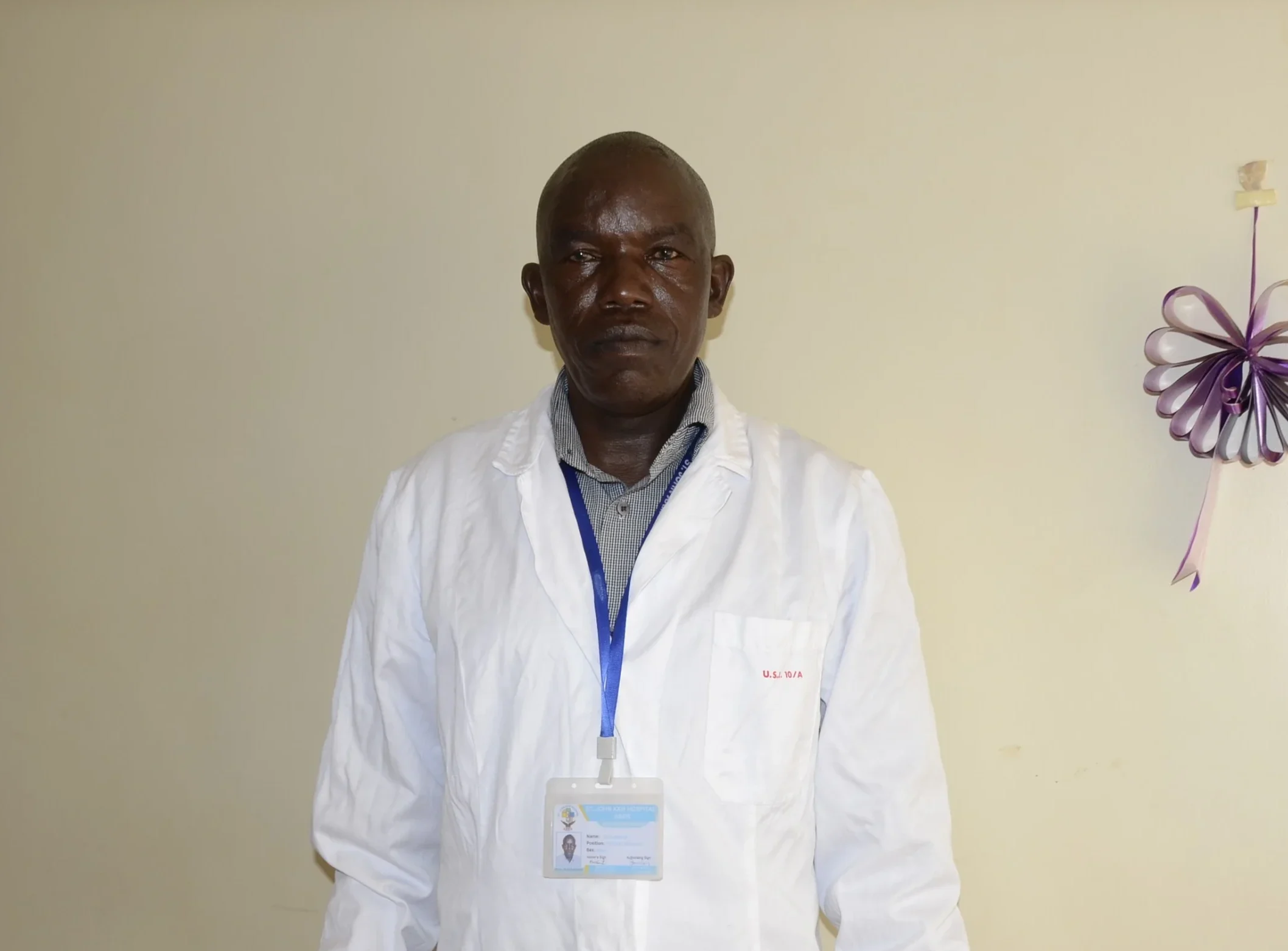
A Day in the Life of a Mortuary Attendant: Obot Nelson
Behind doors that many might hesitate to open, lies the Morgue Department, a place of dignity, compassion, and professionalism. Here, Obot Nelson, the hospital’s dedicated mortuary attendant, performs a vital yet often misunderstood role. With more than two years of service since 2023, Nelson’s work is more than a job; it’s a calling inspired by his faith and his desire to serve the community with humility and respect.
Answering the Call to Serve
For Nelson, becoming a mortuary attendant wasn’t just a career choice but a divine calling. Inspired by his father, who instilled in him a strong sense of service and guided by his faith, Nelson views his role as an integral part of the healthcare system, providing invaluable support to families during their most vulnerable moments.
“I heard a call from God to become a mortuary attendant,” he shares. “This is a sacred responsibility, and I felt inspired to be part of the health community, where I can make a difference by offering solace and professionalism to grieving families.”
A Typical Day in the Morgue Department
Nelson’s day begins promptly at 8:00 AM. After clocking in via the hospital’s fingerprint system, he heads to the morgue to start his routine with meticulous preparation and organization. His morning tasks include:
- Sanitization and preparation: Sanitizing his hands thoroughly and donning a clean overcoat to maintain hygiene.
- Inspection and hygiene maintenance: Conducting a detailed inspection of the morgue and cleaning both the interior and exterior to ensure a safe and respectful environment.
- Ventilation: Opening windows to allow fresh air to circulate, ensuring the space remains dignified and comfortable for visitors.
Core Responsibilities
Once the morgue is ready for the day, Nelson transitions to his essential duties, which revolve around handling the deceased with care and precision. These include:
- Receiving and admitting deceased individuals: Nelson meticulously records the details of every deceased person, including their name, gender, age, location of death, next of kin, and time of death, ensuring accurate documentation.
- Preservation and treatment: Bodies are either prepared for refrigeration or readied for burial based on the family’s preferences. Nelson ensures all preservation methods meet the highest standards.
- Discharges: When families request the release of a body, Nelson facilitates the process, ensuring proper documentation is completed. He then cleans and prepares the space for new admissions.
- Post-mortem coordination: Nelson works closely with medical officers to arrange post-mortem examinations, ensuring that all procedures are conducted respectfully and efficiently. Post mortem is done with request from the police / court.
- Handling unclaimed bodies: In cases of unclaimed bodies, Nelson collaborates with Hospital Management and law enforcement agencies to manage the process, often involving complex coordination.
- Meetings and training: Nelson actively participates in weekly clinical review meetings where he presents reports, discuss departmental challenges and continuous medical education (CME) sessions every Wednesday, where he improves on his medical knowledge.
Maintaining Dignity and Professionalism
In every aspect of his work, Nelson upholds the highest standards of respect and compassion. “We are professional and respectful in the way we do our work. It’s important to maintain the dignity of the deceased and support grieving families with empathy,” he emphasizes.
This ethos is evident in his technical duties, where hygiene, precision, and a calming demeanor are paramount. His ability to communicate effectively with grieving families and guide them through difficult decisions is a testament to his emotional intelligence and professionalism.
Challenges
Working in the morgue comes with unique challenges that require resilience and resourcefulness. Among these are:
- Misconceptions About the Role: Mortuary attendants in Uganda often face societal judgment, with their work being misunderstood or undervalued. Despite playing a critical role in healthcare, they rarely receive the recognition they deserve.
- Emotional toll: The nature of the work demands emotional strength. Nelson relies on his faith and professional detachment to cope, while maintaining compassion for the families he serves.
- Communication Issues: Poor network connectivity makes communication with the community difficult. The Hospital is located remote area of oyam where network sometime is a problem
Collaboration Across Departments
Teamwork is the backbone of the Morgue Department. Nelson frequently collaborates with medical officers, nurses, the chaplaincy, and even law enforcement to ensure seamless operations. From transporting bodies to arranging post-mortem procedures, these interdepartmental efforts demonstrate the critical role of unity in healthcare.
Moments of Fulfillment
Amidst the challenges, Nelson finds profound fulfillment in his work. He recalls moments when his mentorship and guidance have made a lasting impact. “In 2023, I trained a lady at St. John XXIII Hospital Aber who now assists in the mortuary department. Seeing others grow and carry forward this work is incredibly rewarding.”
Advice for Aspiring Mortuary Attendants
Nelson offers heartfelt advice to those considering a career in this field: “This work should be a calling from the heart. It’s not for everyone, but for those who feel drawn to it, training is essential. It equips you with the skills to handle the deceased with dignity and professionalism while supporting families during their darkest hours.”
Closing Reflections
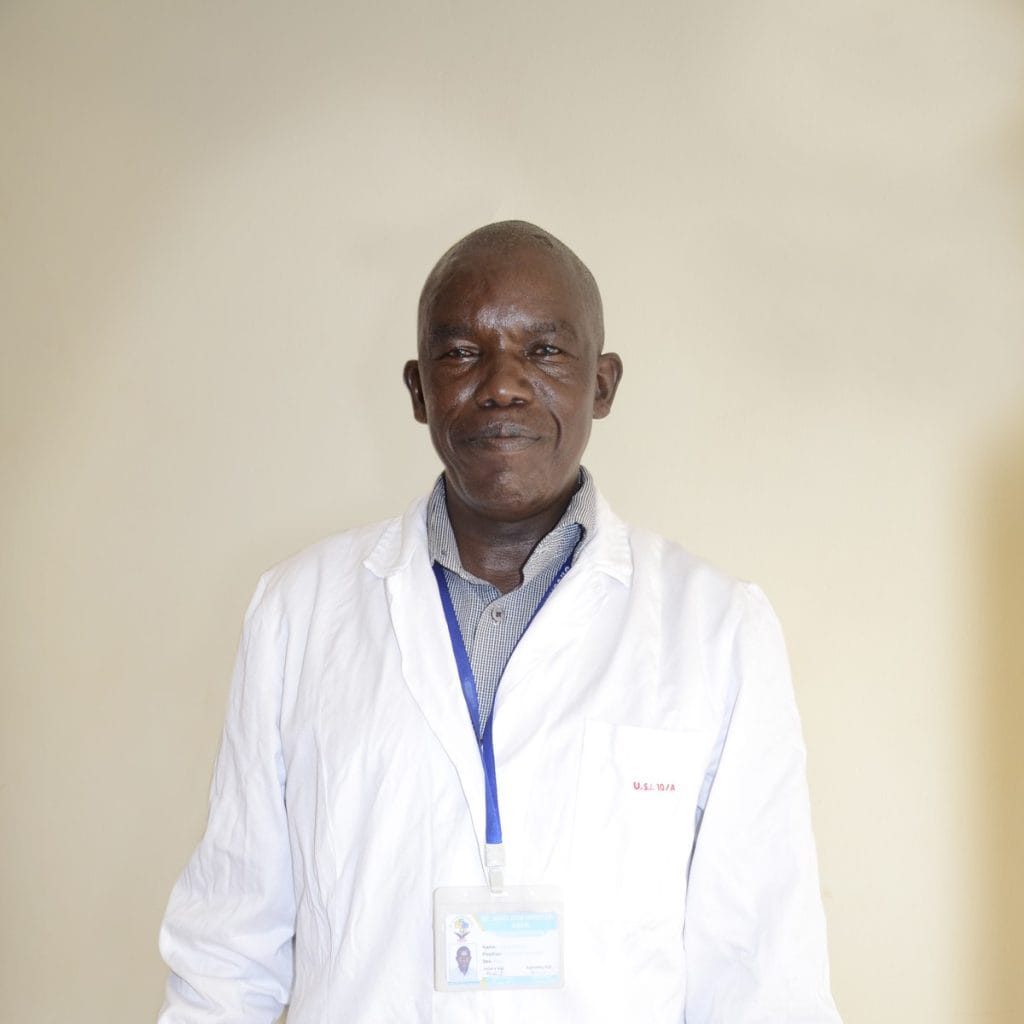
For Nelson, the most rewarding aspect of his job is helping families navigate their most challenging moments. He also encourages the public to trust the professional and compassionate care provided at St. John XXIII Hospital Aber, emphasizing that there’s no need to seek services outside Oyam when the hospital has everything required to ensure dignity and respect for the deceased.
Nelson’s role as a mortuary attendant at St. John XXIII Hospital Aber is a testament to the importance of compassion and professionalism in healthcare. His dedication ensures that families can navigate difficult moments with support, respect, and dignity.
At St. John XXIII Hospital Aber, the Morgue Department stands as a beacon of care and dignity, embodying the hospital’s mission to serve with compassion and excellence.
